Iowa's Invasive Insect and Disease Watchlist
Please visit our main menu to learn more about these pests.
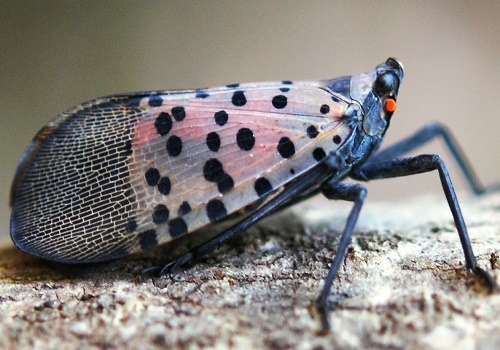
Spotted Lanternfly
This insect was first detected in the U.S. in 2014 and today infestations can be found in nearly 20 States. It can impact a variety of trees, ornamentals and crops, and is a nuisance in outdoor spaces. Check out the spotted lanternfly page to learn more about this invasive pest and view a map of its infestation status.
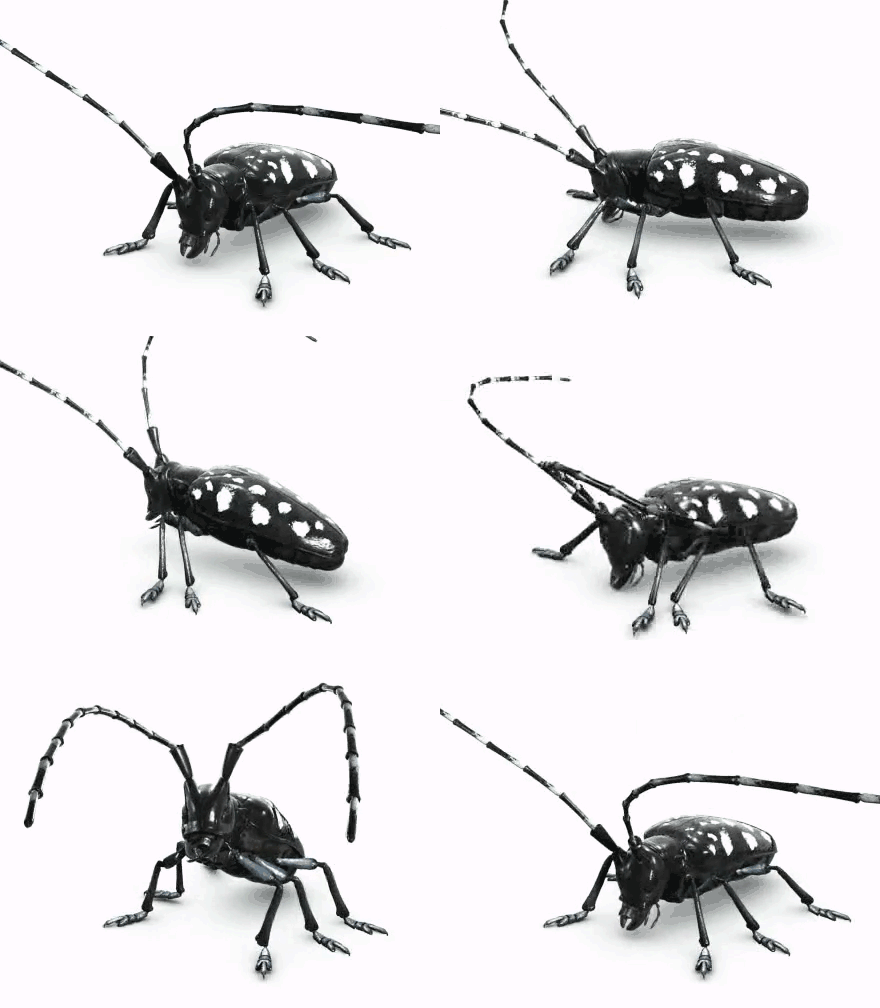
Asian Longhorned beetle
This wood-boring beetle feeds on a variety of hardwood trees, weakening the structural integrity of a tree and eventually killing it. Its introduction to Iowa would likely be by means of wood products, including firewood. Check out the Asian longhorned beetle page to learn more about this destructive pest.
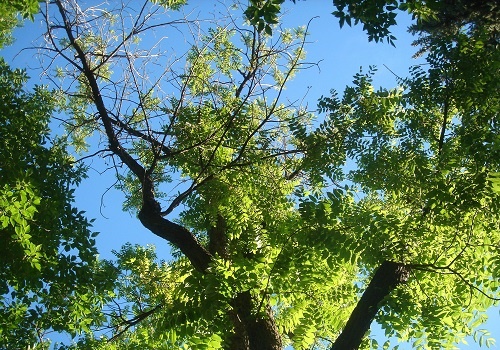
Thousand Cankers Disease of Walnut
Lethal to walnut trees, this disease is caused by a fungus spread by the walnut twig beetle. Thousand cankers disease threatens the U.S. walnut industry This disease has not been found in Iowa to date. Visit our thousand cankers disease page for information and what to look for.
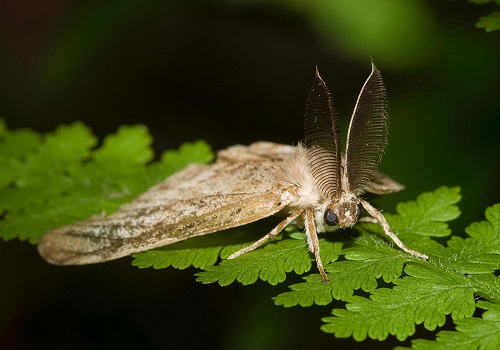
Spongy Moth
A leaf-eating insect which can threaten many forest trees and ornamental plants. Hitching a ride on vehicles and an array of outdoor articles, it can be moved to new areas by unsuspecting people. Visit our spongy moth page to learn more about this invasive defoliator and what efforts are being made in Iowa for this pest.
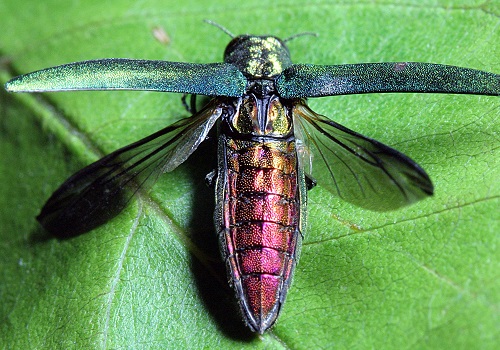
Emerald Ash Borer
This wood-boring insect feeds beneath the bark of ash trees, restricting the tree's ability to transport water and nutrients - eventually killing the tree. Many communities and landscapes across Iowa commonly planted with ash trees have been impacted by this pest. Visit our emerald ash borer page to learn more and see a map of detections in Iowa.